The digital landscape is constantly evolving, and the visual language we use to communicate must adapt alongside it. For years, minimalism dominated the creative industry with its clean lines, ample white space, and understated elegance. However, a significant shift is currently underway. As we move further into the decade, audiences are craving more engaging, sensory-rich experiences. Consequently, maximalism is taking center stage. This vibrant, unapologetic approach to visual communication is redefining how brands connect with their target markets. In this comprehensive guide, we will explore the most impactful maximalist graphic design trends 2026 has to offer and how you can leverage them to elevate your brand identity.
The Great Shift Away From Minimalism
Minimalism served its purpose well during the early days of responsive web design and mobile-first indexing. It provided clarity and ensured fast loading times. Nevertheless, as technology has advanced, so have user expectations. Today, consumers are bombarded with thousands of marketing messages daily. Standing out in this crowded digital space requires more than just a clean layout. It demands personality, emotion, and visual impact.
Maximalism answers this call by embracing the “more is more” philosophy. Rather than stripping away elements, this design approach layers them to create depth and narrative. According to recent insights from Adobe’s 2026 Creative Trends Forecast, there is a growing backlash against overly sterile, high-tech aesthetics. Instead, creators are leaning heavily into organic, human-centered designs that celebrate our chaotic and glorious humanity. This transition is not merely an aesthetic choice; it is a strategic necessity for businesses wanting to build genuine connections.
Furthermore, the effectiveness of your visual presentation directly impacts consumer behavior. We already know that websites influence 97 percent of clients’ purchasing decisions. Therefore, integrating these dynamic new trends into your digital presence is crucial for maintaining a competitive edge.
Key Elements of Maximalist Design in 2026
Understanding the core components of maximalism is essential for implementing it successfully. While the style may appear chaotic at first glance, it is actually highly intentional. Professional designers use specific techniques to ensure that the abundance of visual information remains digestible and engaging rather than overwhelming.
Bold and Exaggerated Typography
One of the most prominent graphic design trends 2026 brings to the table is the use of exaggerated, playful typography. Gone are the days when text was merely a vehicle for delivering information. Now, typography acts as a central design element in its own right. Designers are moving away from uniform, standard computer fonts. Instead, they are embracing oversized sans-serifs, bubbly 3D letterforms, and wavy, distorted characters.
This typographic rebellion allows brands to express their unique voice more loudly. Handwritten scripts and loopy cursives are also making a strong comeback, offering a personal touch that resonates with audiences seeking authenticity. When you partner with a professional graphic design team, these bold typographic choices can be seamlessly integrated into your marketing materials, from business cards to large-scale digital banners.
Immersive and High-Energy Color Palettes
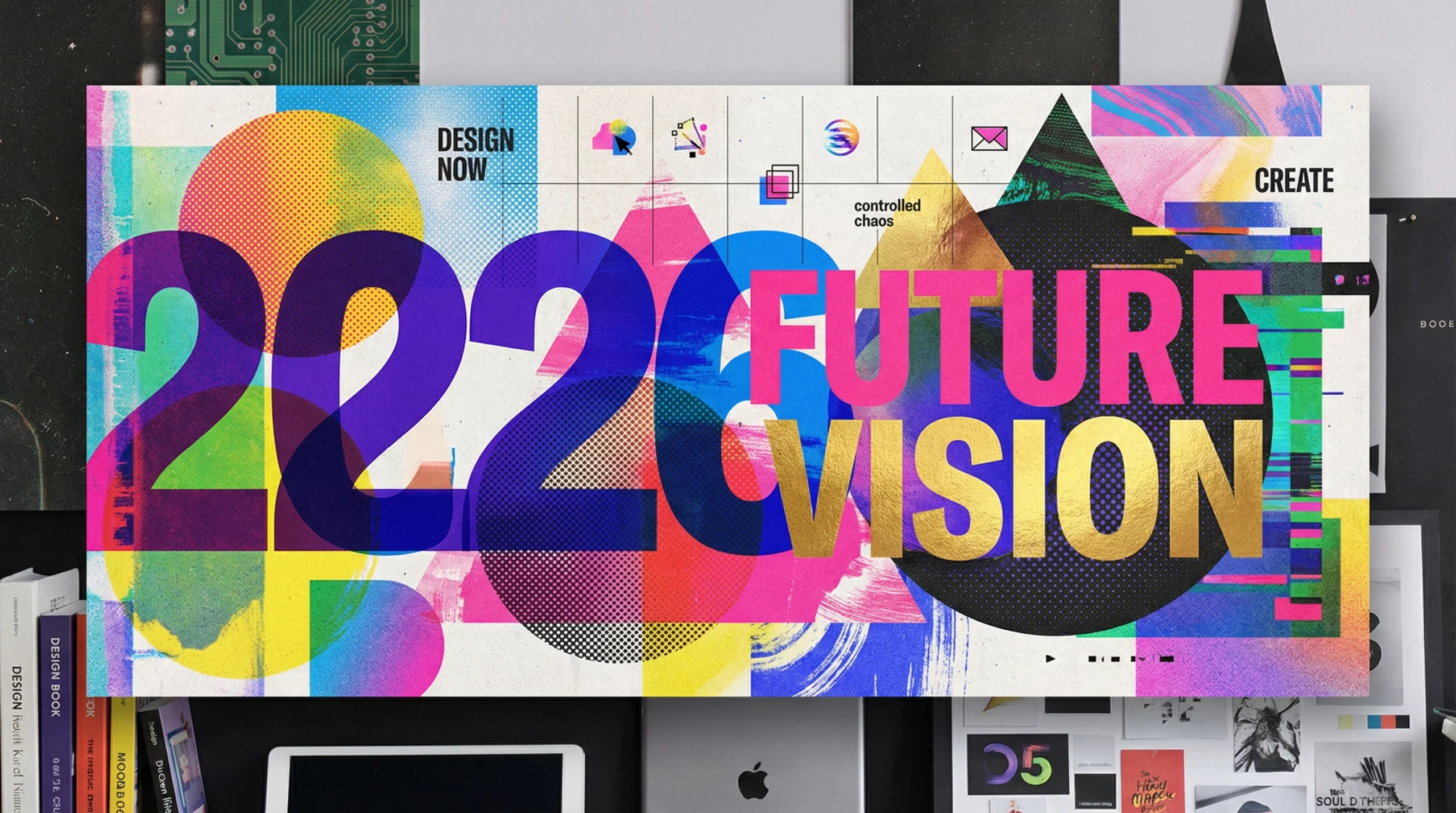
Color is a powerful psychological tool, and maximalism utilizes it to its fullest potential. The upcoming year will see a surge in bright, saturated color palettes that demand attention. We are talking about deep purples, electric blues, hot pinks, and rich jewel tones. These high-energy colors are often combined in unexpected ways to create vibrant clashes that stimulate the senses.
This trend aligns perfectly with the broader movement toward immersive digital experiences. As highlighted by Canva’s visual design trends report, sensory textures and cinematic storytelling are becoming paramount. By utilizing striking color combinations, brands can create a visual environment that feels alive and dynamic. This approach is particularly effective in social media marketing, where capturing a user’s attention within the first few seconds of scrolling is critical.
Layered Collage and Mixed Media
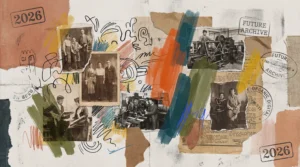
Another defining characteristic of the maximalist movement is the heavy use of collage and layered visual elements. This technique involves combining various media types — such as vintage photography cutouts, hand-drawn doodles, digital brush strokes, and torn paper textures — into a single, cohesive composition. The result is a rich, textured aesthetic that invites viewers to look closer and discover hidden details.
The visible imperfections inherent in collage work foster a narrative, storytelling approach. It feels less corporate and more human. Behance’s design trend analysis points out that humanized and imperfect aesthetics are highly sought after right now. By incorporating mixed media into your visual strategy, you can convey a sense of history, creativity, and approachability. Additionally, Kittl’s 2026 graphic design trend guide notes that grainy blur and textured elements are emerging as top choices for designers seeking to evoke mood and emotion.
How Maximalism Impacts Brand Identity
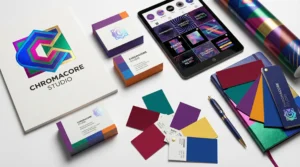
Your brand identity is the visual representation of your company’s values, mission, and personality. Adopting maximalist trends can significantly alter how the public perceives your business. While minimalism often projects a sense of modern efficiency, maximalism communicates passion, creativity, and abundance.
When redesigning a logo or updating brand guidelines, incorporating controlled chaos can make your brand more memorable. Think about overlapping elements, asymmetry for dynamic rhythm, and the inclusion of local or cultural flavors. Patterns and symbols rooted in heritage can help your brand stand out from generic, globalized aesthetics.
Moreover, this expressive style translates exceptionally well across different mediums. Whether you are developing a new website design or creating physical marketing collateral, maximalism provides a flexible framework that can be adapted to suit various formats. It allows for a cohesive yet varied brand presence that keeps audiences engaged over time.
Implementing Maximalist Trends in Your Marketing Strategy
Transitioning to a maximalist aesthetic requires careful planning and execution. It is not simply about throwing every available color and font onto a page. Instead, it involves strategic layering and a deep understanding of visual hierarchy. Here are some actionable steps to help you integrate these graphic design trends 2026 into your marketing efforts.
First, start by auditing your current visual assets. Identify areas where your branding feels stagnant or overly safe. Could your social media graphics benefit from a more vibrant color palette? Might your website’s hero image be replaced with an engaging mixed-media collage? Recognizing these opportunities is the first step toward a successful visual refresh.
Second, consider the platform. Maximalism works incredibly well on highly visual platforms like Instagram and Pinterest. Considering that 81 percent of businesses generated exposure using social media, optimizing your graphics for these channels is a smart investment. Use bold typography to make your key messages pop, and employ high-energy colors to stop users mid-scroll.
Third, do not be afraid to experiment with web design. According to Figma’s web design trends resource, experimental navigation and vibrant color palettes are leading the charge in 2026. You can incorporate these elements by introducing asymmetrical grid layouts or interactive, layered backgrounds on your site. Similarly, Wix highlights tactile maximalism as a major movement, encouraging the use of textures that almost feel physical through the screen. Elementor’s 2026 web design trend report also confirms that organic shapes and anti-grid layouts are humanizing digital aesthetics in powerful new ways.
Finally, partner with a professional agency. Executing controlled chaos requires a high level of skill and experience. A complete marketing solutions company like David Caron Design can help you navigate these complex trends. We ensure that your new maximalist aesthetic aligns perfectly with your overall business goals and resonates with your target audience.
Conclusion
The graphic design trends 2026 are bringing a refreshing wave of creativity, color, and complexity to the digital world. By moving away from strict minimalism and embracing the bold, layered aesthetics of maximalism, brands can create more immersive and emotionally resonant experiences for their audiences. From exaggerated typography to mixed-media collages, these elements offer endless possibilities for visual storytelling.
As you plan your marketing strategies for the upcoming year, consider how these vibrant trends can be applied to your brand identity, website, and social media campaigns. Embracing a bit of controlled chaos might be exactly what your business needs to stand out in an increasingly competitive marketplace. If you are ready to elevate your brand with cutting-edge design, our team is here to bring your vision to life.