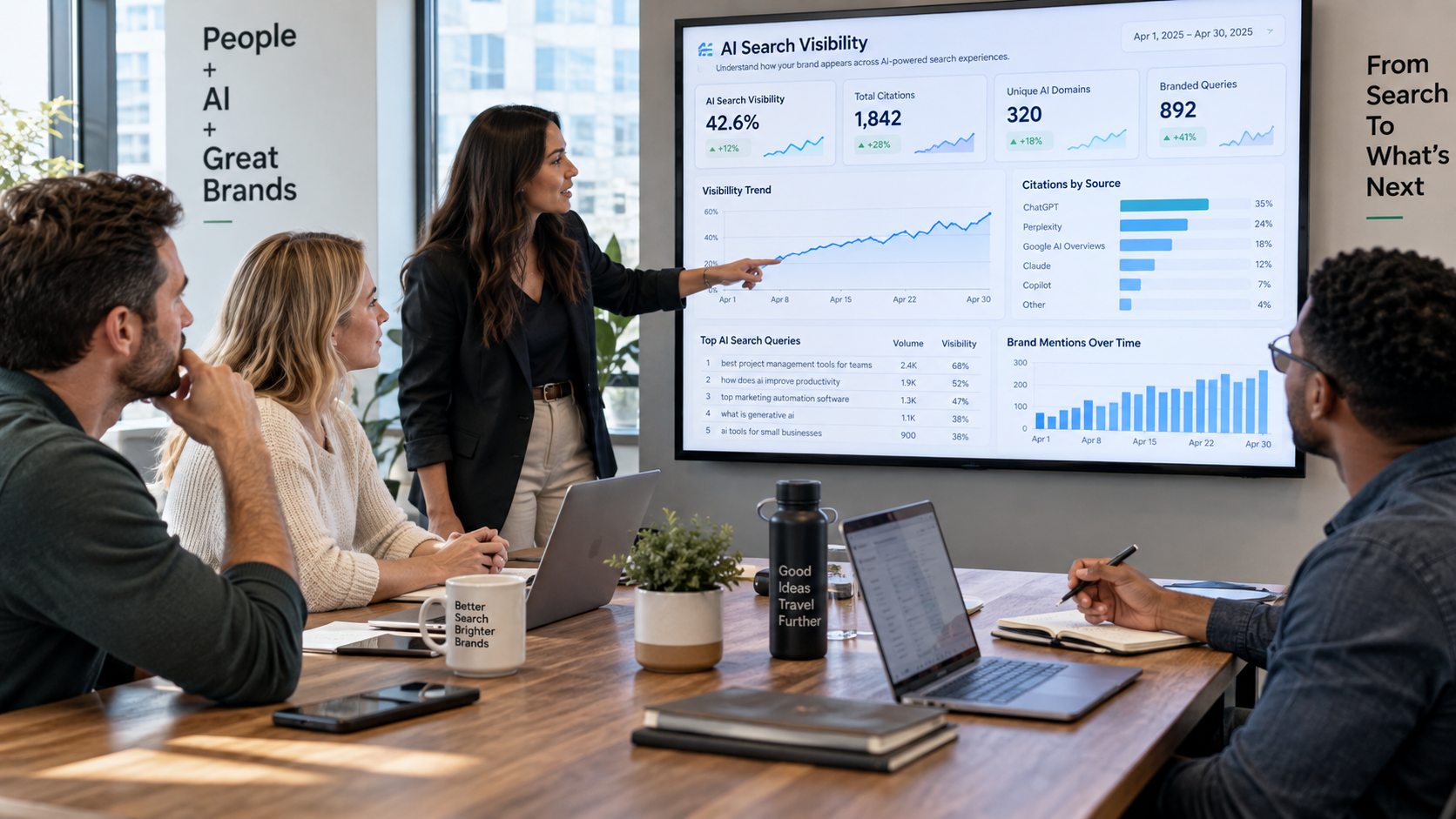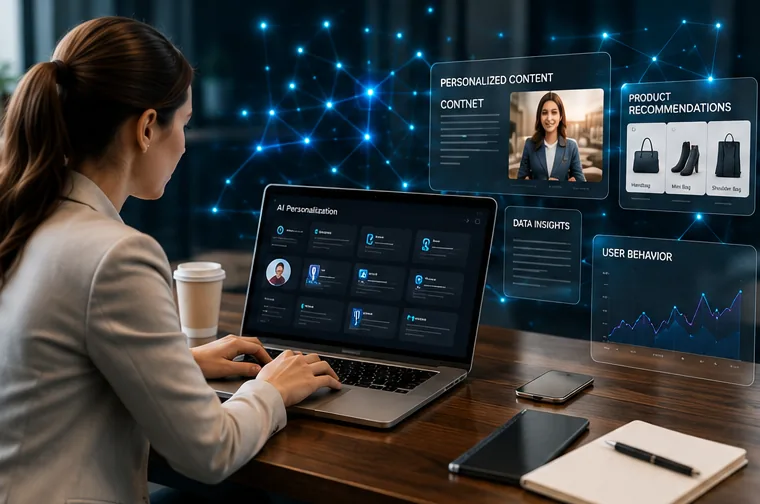
Artificial intelligence is reshaping the way businesses build and manage their brands in 2026. From personalized customer experiences to automated content creation, AI-powered branding strategies are becoming a major focus for companies looking to stay competitive online. Businesses of all sizes are exploring AI tools to improve efficiency, strengthen brand identity, and connect with audiences in more meaningful ways.
As digital competition continues to grow, brands are searching for smarter ways to stand out. AI technology now plays a major role in website design, content marketing, customer service, and social media management. Companies that adapt to these changes may improve customer engagement while streamlining their marketing efforts.
Why AI-Powered Branding Is Trending in 2026
AI has evolved beyond automation. Businesses now use artificial intelligence to analyze customer behavior, predict trends, and create personalized marketing campaigns. Brands can use AI to generate content ideas, improve advertising performance, and create custom user experiences across websites and social media platforms.
Consumers also expect faster responses and more personalized interactions. AI chatbots, recommendation engines, and automated customer support tools help businesses provide a more seamless experience online.
According to Forbes Agency Council, brands using AI-driven marketing tools are seeing improvements in efficiency and audience targeting. Businesses that embrace AI early may gain an advantage in crowded industries.
Companies investing in professional web design services are also incorporating AI-powered features into their websites to improve user engagement and conversion rates.
How AI Improves Brand Personalization
Personalization has become one of the most important aspects of digital marketing. AI helps businesses collect and analyze customer data to deliver more relevant experiences.
Instead of showing the same content to every visitor, AI systems can tailor recommendations based on browsing behavior, location, and interests. This level of customization helps businesses build stronger connections with their audiences.
- Personalized product recommendations
- Custom email marketing campaigns
- Targeted social media advertisements
- Dynamic website content
- Automated customer support
Businesses that focus on personalized branding strategies may improve customer loyalty and retention over time.

AI Content Creation Is Changing Digital Marketing
Content marketing continues to play a major role in online visibility. AI-powered tools now help businesses create blog posts, social media captions, video scripts, and marketing campaigns faster than ever before.
While human creativity remains essential, AI assists with brainstorming, keyword research, and content optimization. Businesses can use AI tools to identify trending topics and generate ideas that align with customer interests.
Companies investing in video production services are also using AI technology to improve editing workflows, automate subtitles, and create personalized video content.
According to HubSpot, AI-assisted marketing strategies continue to grow as businesses look for more efficient ways to scale content production without sacrificing quality.
Businesses should still prioritize authenticity and brand voice when using AI-generated content. Audiences value originality and human connection, even when automation is part of the process.
The Role of AI in Social Media Branding
Social media platforms are becoming increasingly competitive. AI tools help businesses schedule posts, analyze engagement data, and identify the best times to publish content.
Brands can also use AI-powered analytics to understand audience behavior and improve campaign performance. Social listening tools powered by artificial intelligence allow companies to track online conversations and monitor brand reputation.
Businesses focusing on social media marketing strategies are using AI insights to create more targeted and engaging campaigns.
Platforms like Instagram, TikTok, and LinkedIn now rely heavily on algorithms that prioritize personalized content. AI-driven marketing strategies help businesses adapt to these changing algorithms while improving visibility.
Research from Sprout Social highlights how AI tools are helping brands improve customer engagement and social media performance.

AI-Powered Website Design and User Experience
Website design trends in 2026 focus heavily on personalization, speed, and user experience. AI tools now help businesses create smarter websites that adapt to visitor behavior in real time.
AI-powered website features include:
- Smart chatbots for customer support
- Automated content recommendations
- Personalized landing pages
- Voice search optimization
- Predictive search functionality
Businesses investing in SEO services are also using AI tools to improve keyword research, content optimization, and search engine visibility.
Search engines continue to prioritize user experience. Websites that provide faster load times, relevant content, and easy navigation may perform better in search rankings.
Google’s evolving AI search technology is also changing how businesses approach SEO and digital marketing strategies.
According to Google Search Central, helpful and user-focused content remains an important ranking factor.
Challenges Businesses Face With AI Branding
Although AI offers many advantages, businesses should also consider potential challenges. Overusing automation may cause branding to feel impersonal or repetitive.
Maintaining authenticity remains important in digital marketing. Customers still value real stories, human creativity, and meaningful communication.
Businesses should also pay attention to:
- Data privacy concerns
- Ethical AI usage
- Content accuracy
- Brand consistency
- Customer trust
AI tools work best when combined with human oversight and creative direction. Brands that balance automation with authenticity may create stronger customer relationships over time.
How Small Businesses Can Start Using AI
Small businesses do not need massive budgets to begin using AI-powered branding tools. Many affordable platforms now offer AI features designed for startups and growing businesses.
Some practical ways to begin include:
- Using AI writing assistants for content planning
- Automating customer service with chatbots
- Improving SEO research with AI tools
- Analyzing customer behavior data
- Scheduling social media content automatically
Businesses can gradually integrate AI into their marketing strategies without completely replacing human creativity or customer interaction.
Companies exploring graphic design services are also combining AI-powered design tools with professional creative direction to improve branding consistency.

The Future of AI-Powered Branding
AI technology continues to evolve rapidly, and its role in branding may become even more significant in the coming years. Businesses that stay informed about emerging digital trends may be better positioned to adapt to changing consumer expectations.
Artificial intelligence is no longer limited to large corporations. Small businesses, entrepreneurs, and local brands are increasingly using AI tools to compete online and improve customer experiences.
As personalization, automation, and predictive analytics continue to grow, AI-powered branding strategies may shape the future of digital marketing in 2026 and beyond.
Businesses looking to improve their online presence should continue exploring new technologies while maintaining authentic connections with their audiences.